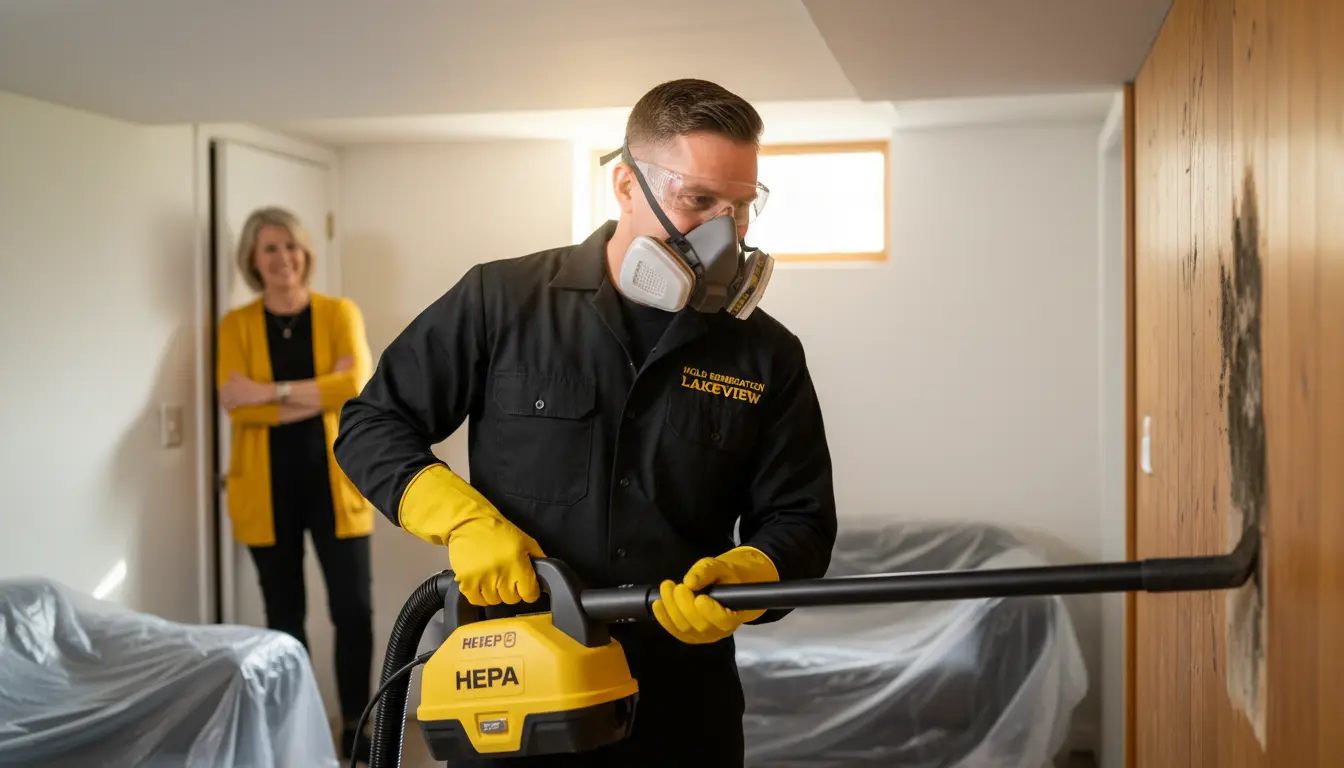
Living in the humid climate of Lakeview can make your home a prime spot for mold growth, especially the notorious black mold (Stachybotrys chartarum). This toxic fungus not only damages your property but can also pose serious health risks like respiratory issues, allergies, and even neurological problems. If you’ve noticed a musty smell or dark spots on your walls, it’s time to act. In this guide from Mold Remediation Lakeview, we’ll walk you through detecting and safely removing black mold, with practical tips tailored to Lakeview homeowners. Remember, while DIY is possible for small issues, professional mold inspection is often the safest bet—especially in our area’s older homes.
Understanding Black Mold: What It Is and Why It’s Dangerous
Black mold thrives in damp, warm environments, which are common in Lakeview due to our frequent rains and proximity to the lake. Unlike common household molds, black mold produces mycotoxins that can infiltrate your HVAC system and spread quickly.
Health Risks of Black Mold Exposure
Exposure to black mold spores can trigger asthma attacks, skin rashes, and chronic fatigue. Children, the elderly, and those with weakened immune systems are particularly vulnerable. In Lakeview neighborhoods like Washington Park, where homes often have basements prone to flooding, ignoring black mold can lead to costly health bills. If symptoms persist, consider air quality testing to pinpoint airborne contaminants.
Common Signs of Black Mold in Your Home
Spotting black mold early is crucial. Look for:
- Visual Clues: Slimy, dark green or black patches on walls, ceilings, or grout.
- Odor Indicators: A persistent earthy or musty smell, even after cleaning.
- Water Damage Signs: Warping wood, bubbling paint, or discoloration around leaks—common in Lakeview’s rainy seasons.
If you suspect an issue in hidden areas like attics, our attic mold remediation services can help uncover and address it before it spreads.
Step-by-Step Guide to Detecting Black Mold
Detection starts with a thorough inspection. Don’t rely on guesswork; use these methods to confirm black mold’s presence.
1. Perform a Visual Inspection
Start in high-risk areas: bathrooms, basements, and around windows. In Lakeview homes, check for mold behind siding affected by lake humidity. Use a flashlight to examine dark corners. If you see fuzzy growth, swab a small sample and compare it to online images—but for accuracy, opt for mold testing from experts.
2. Use Moisture Meters and Hygrometers
Black mold needs moisture levels above 60% to grow. Invest in a hygrometer to measure indoor humidity, especially in areas like Allendale where basements stay damp. A moisture meter can detect hidden water in walls. If readings are high, address leaks immediately to prevent growth.
3. Sniff Test and Professional Tools
That musty odor is a red flag. For precise detection, professionals use thermal imaging cameras to find moisture pockets without tearing down walls. Serving Lakeview and nearby Brookhollow, Mold Remediation Lakeview offers these advanced tools to save you time and money.
Safe Removal Methods: DIY vs. Professional Help
Removing black mold requires caution to avoid spreading spores. Always wear PPE: N95 mask, gloves, goggles, and disposable coveralls.
DIY Removal for Small Infestations (Under 10 sq ft)
For minor spots:
- Isolate the Area: Seal off the room with plastic sheeting and tape vents to contain spores.
- Clean Surfaces: Mix one cup of bleach with one gallon of water. Spray and let sit for 10 minutes, then scrub with a brush. Rinse and dry thoroughly.
- Dry the Area: Use fans and dehumidifiers. In Lakeview’s climate, ensure humidity drops below 50%.
Avoid disturbing the mold, as it can aerosolize. If it’s on porous materials like drywall, removal might be necessary—replace rather than clean.
When to Call Professionals for Black Mold Removal
For larger areas or HVAC involvement, DIY isn’t safe. Black mold in attics or crawl spaces requires specialized equipment like HEPA vacuums. In Hirschi’s historic homes, where structures are delicate, improper removal can cause more damage. Contact Mold Remediation Lakeview for black mold removal—we use EPA-approved methods to ensure complete eradication without cross-contamination.
Tools and Materials You’ll Need
- HEPA-filtered vacuum
- Bleach or hydrogen peroxide solution
- Wire brush and sponges
- Plastic sheeting and tape
- Dehumidifier for post-cleanup
Stock up from local Lakeview hardware stores, but pros bring industrial-grade gear.
Preventing Black Mold Recurrence in Lakeview Homes
Prevention is key in our moisture-prone area. Fix leaks promptly, especially after heavy rains common in Washington Park.
Improve Ventilation and Humidity Control
Install exhaust fans in bathrooms and kitchens. Use whole-home dehumidifiers, aiming for 30-50% humidity. For Lakeview residents near the water, regular air quality testing can monitor improvements.
Regular Maintenance Tips
- Inspect roofs and gutters annually—clogged ones lead to interior leaks.
- Clean dryer vents to prevent moisture buildup.
- In basements, apply waterproof sealants.
Tailored to areas like Allendale, our team at Mold Remediation Lakeview provides seasonal checks to keep your home mold-free.
Landscaping and Exterior Precautions
Trim trees away from your home to reduce shade and moisture. In Brookhollow’s wooded lots, ensure proper drainage to direct water away from foundations.
FAQ: Common Questions About Black Mold in Lakeview
1. How do I know if it’s black mold or just regular mold?
Black mold is distinguished by its slimy texture and dark color, but lab testing is the only sure way. Schedule a mold inspection with us for confirmation.
2. Is black mold always toxic?
Not all black molds are toxic, but Stachybotrys often is. Symptoms like coughing or headaches signal a problem—don’t wait to act.
3. Can I remove black mold from my HVAC system myself?
No, this requires professional duct cleaning to avoid spreading spores throughout your home. We specialize in safe HVAC remediation for Lakeview properties.
4. How much does professional black mold removal cost in Lakeview?
Costs vary by size, starting at $500 for small jobs. Factors include location and extent—get a free quote from Mold Remediation Lakeview today.
5. How long does mold remediation take?
Small DIY jobs: 1-2 days. Professional services: 3-7 days, depending on the infestation. We prioritize quick, efficient work to minimize disruption.
Conclusion: Take Control of Your Home’s Health Today
Detecting and removing black mold safely doesn’t have to be overwhelming. By following these steps and knowing when to call in experts, you can protect your Lakeview home and family from this hidden threat. Remember, in humid spots like Hirschi or along the lake, proactive measures make all the difference.
Ready to ensure your space is mold-free? Contact Mold Remediation Lakeview for a professional consultation. Whether it’s mold testing or full removal, we’re here to serve Lakeview and surrounding areas like Washington Park. Schedule your inspection now and breathe easier!
(Word count: 1,248)