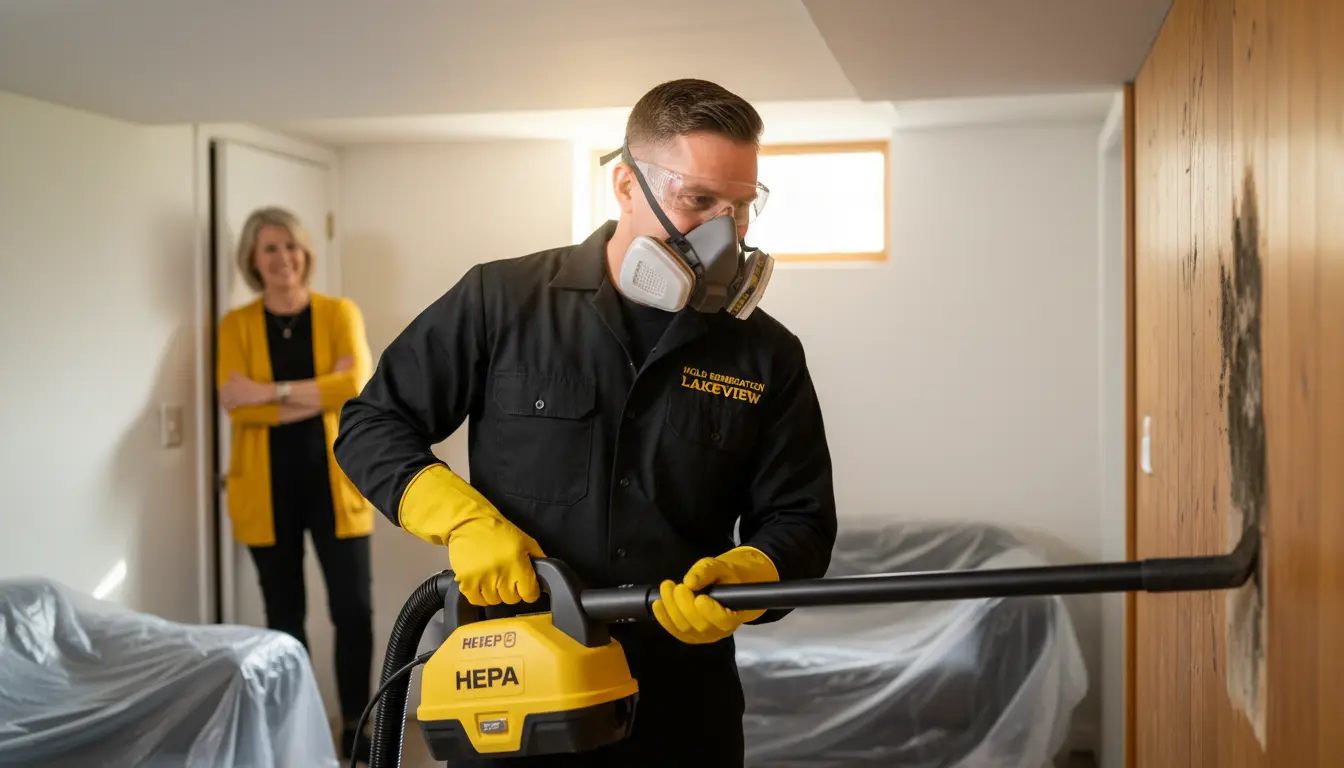
Living in the steamy embrace of Texas humidity can feel like a tropical vacation—until mold crashes the party. If you’re a homeowner in Lakeview, you know the drill: scorching summers and relentless moisture create the perfect breeding ground for mold. At Mold Remediation Lakeview, we’ve seen firsthand how unchecked humidity leads to sneaky mold invasions that threaten your health and home’s integrity. But fear not! With the right strategies, you can keep mold at bay and breathe easier. In this guide, we’ll dive into seven practical tips tailored for our humid Texas climate, drawing from our expertise serving Lakeview and nearby areas like Hirschi and Brookhollow. Ready to reclaim your space? Let’s get started.
Understanding Mold in Humid Texas Climates
Texas weather is notorious for its high humidity levels, especially in regions like Lakeview where summer temperatures often soar above 90°F with dew points that make everything feel sticky. Mold thrives in environments with moisture levels above 60%, and our local climate delivers that in spades. Black mold, mildew, and other fungi can hide in walls, attics, and basements, releasing spores that irritate allergies, cause respiratory issues, and even damage structural elements.
Why is Lakeview particularly vulnerable? Nestled in a humid pocket of Texas, homes here often battle condensation from air conditioning units and poor drainage after heavy rains. If you’ve noticed musty odors or unexplained stains, it might be time for mold testing to confirm. Understanding these risks is the first step—prevention is always better than remediation.
Top 7 Tips to Prevent Mold Growth
Armed with knowledge, let’s tackle prevention head-on. These tips are actionable, cost-effective, and designed for Texas homes. Implement them to create a mold-resistant environment.
1. Control Indoor Humidity Levels
Humidity is mold’s best friend, so keep it in check. Aim to maintain indoor humidity between 30% and 50% using a hygrometer to monitor levels. In Lakeview’s muggy summers, this is crucial—open windows on dry days, but close them during humid spells.
Invest in exhaust fans for kitchens and bathrooms to vent steam outside. For whole-home solutions, a dehumidifier can work wonders, especially in basements or crawl spaces. Pro tip: Empty and clean your dehumidifier regularly to avoid creating its own mold problem. If humidity persists, consider air quality testing to assess your home’s overall environment.
2. Improve Ventilation Throughout Your Home
Stagnant air invites mold, so prioritize airflow. In humid Texas homes, natural ventilation isn’t always enough—supplement with mechanical systems. Install or upgrade bathroom and kitchen exhaust fans rated for continuous use, ensuring they vent outdoors, not into attics.
For attics and crawl spaces common in Lakeview properties, add vents or solar-powered attic fans to reduce trapped moisture. In bedrooms, use ceiling fans to circulate air, and avoid blocking HVAC vents with furniture. If your home feels stuffy, especially after rains that flood nearby Hirschi areas, enhanced ventilation can prevent condensation buildup.
3. Fix Leaks and Water Intrusion Immediately
Water is mold’s gateway drug—address leaks pronto to stop issues at the source. Inspect roofs, pipes, and foundations quarterly, paying extra attention in Lakeview where sudden downpours can overwhelm gutters.
Replace worn caulk around windows and sinks, and ensure downspouts direct water at least 5 feet from your foundation. If you spot a leak, dry the area within 24-48 hours using fans and dehumidifiers. For persistent problems, like those from aging plumbing in older Brookhollow homes, a mold inspection can reveal hidden damage before it spreads.
4. Use Dehumidifiers Strategically
Dehumidifiers are heroes in humid climates like ours. Place them in high-risk areas: basements, laundry rooms, and any enclosed spaces. Choose models with built-in hygrometers for automatic operation.
In Lakeview’s variable weather, run them during peak humidity months (May to September). Empty reservoirs daily and clean filters monthly to maintain efficiency. For larger homes, whole-house dehumidifiers integrated with your HVAC system offer comprehensive protection. Remember, pairing this with regular maintenance keeps your investment effective.
5. Maintain Cleanliness and Dryness
Dust, dirt, and organic debris feed mold, so a clean home is a mold-free one. Vacuum weekly with a HEPA-filter machine to trap spores, and wipe down surfaces with mold-inhibiting cleaners like vinegar solutions or hydrogen peroxide mixes.
In humid Texas kitchens, store food in airtight containers and clean spills immediately. For bathrooms, squeegee shower walls after use to prevent water residue. Lakeview residents, with our love for outdoor living, track in pollen and dirt—make it a habit to remove shoes at the door. Regular cleaning reduces mold’s food sources significantly.
6. Insulate and Seal Your Home Properly
Poor insulation leads to condensation, a mold magnet. In Texas homes, ensure attics have adequate vapor barriers and insulation to prevent warm, moist air from meeting cool surfaces.
Seal cracks around windows, doors, and pipes with weatherstripping or caulk. For Lakeview’s older homes, this is vital as many were built without modern moisture controls. If you’re in a cooler microclimate near Hirschi, double-pane windows can minimize interior sweating. Proper sealing not only prevents mold but also boosts energy efficiency.
7. Monitor and Test Regularly for Early Detection
Prevention is ongoing—stay vigilant with routine checks. Walk through your home monthly, looking for signs like warping wood or peeling paint. Use moisture meters on walls and floors.
In high-humidity areas like Brookhollow, annual professional assessments are wise. At Mold Remediation Lakeview, we recommend mold testing every 1-2 years for peace of mind. Early detection saves thousands in remediation costs and protects your family’s health.
FAQ: Common Questions About Mold Prevention in Texas
What Causes Mold Growth in Humid Texas Homes?
Mold spores are everywhere, but they need moisture, warmth, and nutrients to grow. In Lakeview, high outdoor humidity seeps indoors via poor seals or ventilation, combined with our warm temperatures, creating ideal conditions. Addressing moisture sources is key.
How Do I Know If My Home in Lakeview Has Mold?
Look for visible signs like black spots, musty smells, or allergy symptoms worsening indoors. If unsure, opt for air quality testing—it’s non-invasive and provides clear results.
Can I Prevent Mold Without Professional Help?
Absolutely, with the tips above! However, for comprehensive checks, especially in humid spots like Hirschi, a mold inspection from experts ensures nothing’s missed.
How Often Should I Check for Mold in My Texas Home?
Monthly visual inspections, plus seasonal deep cleans. In rainy seasons, increase frequency. Serving Lakeview and Brookhollow, we see that proactive monitoring prevents major issues.
What If I Already Have Mold?
Don’t panic—contact professionals immediately. At Mold Remediation Lakeview, we handle safe removal tailored to your home’s needs.
Conclusion: Take Control of Your Home’s Health Today
Mold doesn’t stand a chance against informed action. By controlling humidity, enhancing ventilation, fixing leaks, using dehumidifiers, staying clean, insulating well, and monitoring regularly, you can protect your Lakeview home from the humid Texas threat. These top seven tips, honed from years of serving our community including Hirschi and Brookhollow, empower you to create a safer, healthier living space.
Still worried about lurking mold? Don’t wait for it to worsen. Reach out to Mold Remediation Lakeview for a free consultation or mold inspection today. Visit our Lakeview page to learn more about how we serve your neighborhood. Your family’s well-being starts with one call—let’s keep Texas humidity from winning! (1,248 words)