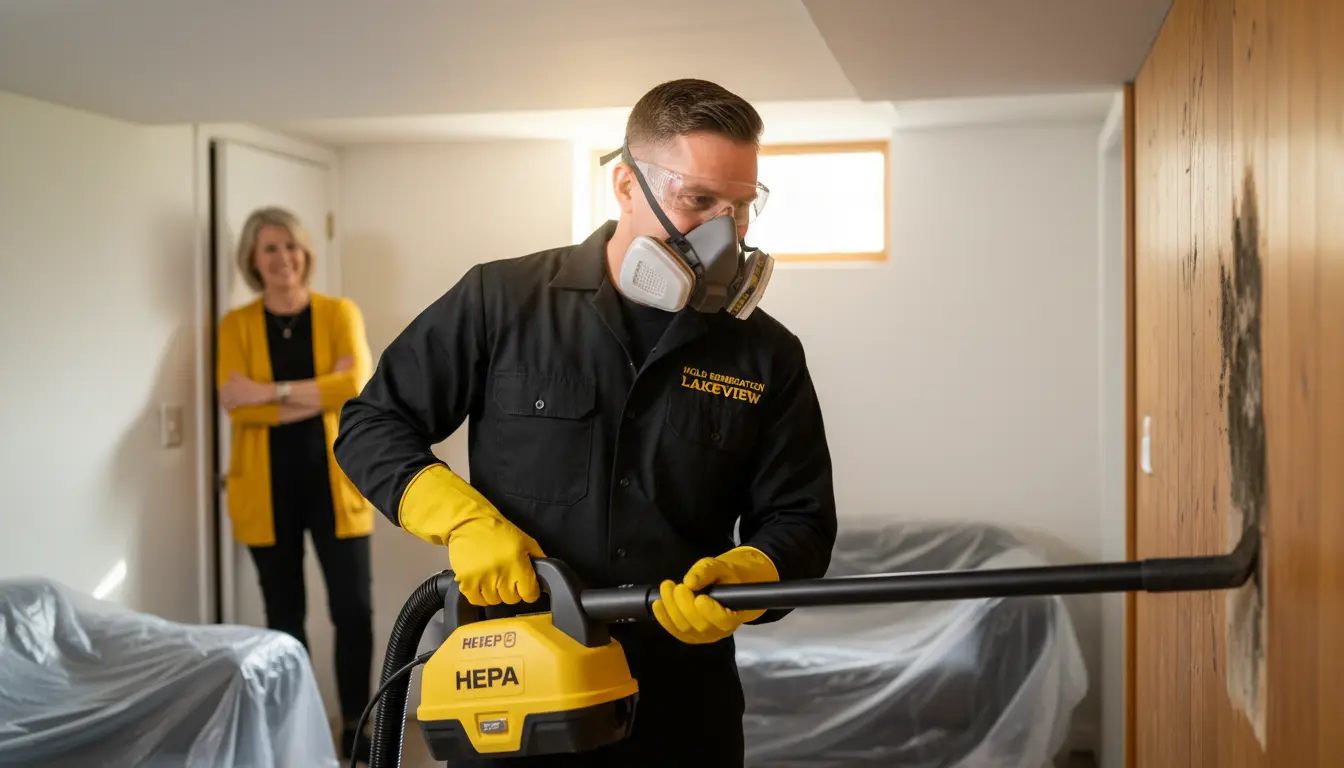
Living in the beautiful Lakeview area of Texas comes with its perks—stunning views, a tight-knit community, and proximity to natural waterways. But for homeowners, there’s a hidden threat lurking in the shadows: mold. If you’ve noticed musty odors, unexplained allergies, or discolored walls in your Lakeview home, you’re not alone. Mold thrives in our region’s humid climate, and Lakeview properties are particularly vulnerable. At Mold Remediation Lakeview, we’ve seen firsthand how local environmental factors amplify these risks. In this post, we’ll explore the reasons behind Lakeview’s mold woes, share practical prevention tips, and guide you on when to seek professional help. Let’s dive in and arm you with the knowledge to protect your home and family.
The Unique Climate of Lakeview, TX: A Breeding Ground for Mold
Lakeview, TX, nestled in Wichita County, experiences a humid subtropical climate that keeps temperatures warm year-round, with average humidity levels often exceeding 70%. This moisture-laden air is like a welcome mat for mold spores, which can start growing in as little as 24-48 hours when conditions are right. Unlike drier parts of Texas, Lakeview’s proximity to lakes and rivers means frequent fog, rain, and even occasional flooding, creating ideal environments for mold proliferation.
High Humidity and Seasonal Rains
Summers in Lakeview can feel oppressive, with humidity spiking to 90% or more during heatwaves. This trapped moisture seeps into homes through cracks, vents, and poor insulation. In neighborhoods like Brookhollow, where older homes dominate, inadequate HVAC systems struggle to dehumidify indoor air, leading to condensation on windows and walls. We’ve treated countless cases where unchecked humidity turned attics and basements into mold hotspots.
Flooding Risks from Local Waterways
Lakeview’s location near the Wichita River and Lake Wichita exposes homes to seasonal flooding, especially during spring storms. Even minor water intrusion from heavy rains can saturate foundations and crawl spaces. In areas like Allendale, where drainage systems are often overwhelmed, floodwater carries contaminants that feed mold growth. If your home has experienced water damage, mold can spread rapidly, compromising air quality and structural integrity.
Common Sources of Moisture in Lakeview Homes
Mold doesn’t appear out of nowhere—it’s always fueled by excess moisture. In Lakeview, everyday household issues compound with environmental factors to create persistent dampness.
Leaky Pipes and Poor Ventilation
Aging plumbing in mid-century homes common to Hirschi can lead to hidden leaks behind walls or under sinks. Combined with poor bathroom or kitchen ventilation, steam and splashes create breeding grounds. We’ve inspected homes where simple fixes like installing exhaust fans could have prevented widespread infestations.
Roof and Foundation Issues
Texas storms batter roofs, causing leaks that go unnoticed until mold appears in ceilings. Lakeview’s clay-heavy soil expands and contracts with moisture, cracking foundations and allowing water to seep in. This is especially problematic in older ranch-style homes, where basements or slabs trap humidity.
Structural Vulnerabilities in Lakeview Properties
Many Lakeview homes were built in the 1950s and 1960s, featuring materials like wood framing and drywall that absorb moisture easily. Without modern vapor barriers, these structures are prone to mold behind walls and in insulation. Energy-efficient upgrades, while beneficial, can sometimes seal in dampness if not paired with proper dehumidification.
In flood-prone zones, elevated homes might seem safe, but ground-level patios and garages often flood first, pulling moisture upward. Our team at Mold Remediation Lakeview frequently encounters black mold in these hidden areas, which poses severe health risks like respiratory issues and allergies.
Practical Tips to Prevent Mold Growth in Your Lakeview Home
Prevention is your best defense against Lakeview’s mold risks. Here are actionable steps to keep your home dry and healthy:
Maintain Optimal Humidity Levels
Aim for indoor humidity between 30-50% using dehumidifiers, especially in basements and attics. In Lakeview’s muggy summers, run your AC consistently and change filters monthly to improve air circulation. For personalized advice, consider our air quality testing services to monitor your home’s environment.
Inspect and Seal Entry Points
Regularly check for roof leaks, cracked foundations, and gaps around windows and doors. Seal them with caulk or weatherstripping to block humid air. In areas like Brookhollow, where termite damage weakens structures, annual inspections are crucial.
Improve Drainage Around Your Property
Ensure gutters direct water away from your foundation and grade your yard to slope outward. Install French drains if flooding is recurrent. For homes near Lake Wichita, elevate outdoor AC units to prevent water pooling.
Clean and Dry Water Damage Promptly
If a pipe bursts or rain floods your garage, act fast—dry everything within 24 hours using fans and dehumidifiers. Discard porous items like carpets if soaked. Don’t DIY large jobs; instead, schedule a mold inspection with our experts to assess hidden damage.
Use Mold-Resistant Materials in Renovations
When updating your kitchen or bathroom, opt for mold-resistant drywall and paints. In Lakeview’s climate, these upgrades pay off by reducing long-term risks.
By implementing these tips, Lakeview homeowners can significantly cut their mold exposure. Remember, vigilance is key in our humid region.
When to Call Professional Mold Remediation Experts
DIY cleaning works for small surface mold, but Lakeview’s pervasive risks often require pros. Signs like persistent odors, worsening health symptoms, or visible growth warrant immediate action. Our black mold removal specialists use advanced techniques like HEPA filtration and containment to safely eradicate infestations without spreading spores.
For comprehensive mold testing, we identify the type and source, ensuring complete remediation. Delaying can lead to costly repairs—address it early with Mold Remediation Lakeview.
FAQ: Common Questions About Mold Risks in Lakeview, TX
1. Why is mold more common in Lakeview homes than other Texas areas?
Lakeview’s high humidity, frequent rains, and flooding from nearby waterways create persistent moisture, unlike arid West Texas regions. Older homes exacerbate this vulnerability.
2. How can I tell if my home has hidden mold?
Look for musty smells, allergy-like symptoms, or water stains. Professional mold testing reveals concealed growth in walls or HVAC systems.
3. Is black mold a big concern in Lakeview?
Yes, toxic black mold (Stachybotrys) thrives here due to water damage. It can cause serious health issues; seek black mold removal immediately if suspected.
4. Can I prevent mold without professional help?
Basic prevention like dehumidifiers and sealing leaks helps, but for inspections in flood-prone areas like Allendale, pros ensure thorough coverage.
5. How long does mold remediation take in a Lakeview home?
It varies from 1-5 days based on infestation size. Our team provides quick, efficient service tailored to local conditions.
Conclusion: Protect Your Lakeview Home from Mold Today
Lakeview, TX, offers a wonderful lifestyle, but its climate demands proactive mold management. From humidity-driven growth to flooding threats, understanding these risks empowers you to act. Implement our tips, stay vigilant, and don’t hesitate to call experts when needed. At Mold Remediation Lakeview, we’re committed to safer homes in our community. Contact us today for a free consultation or mold inspection—your family’s health is worth it. Let’s keep Lakeview mold-free together!
(Word count: 1,248)