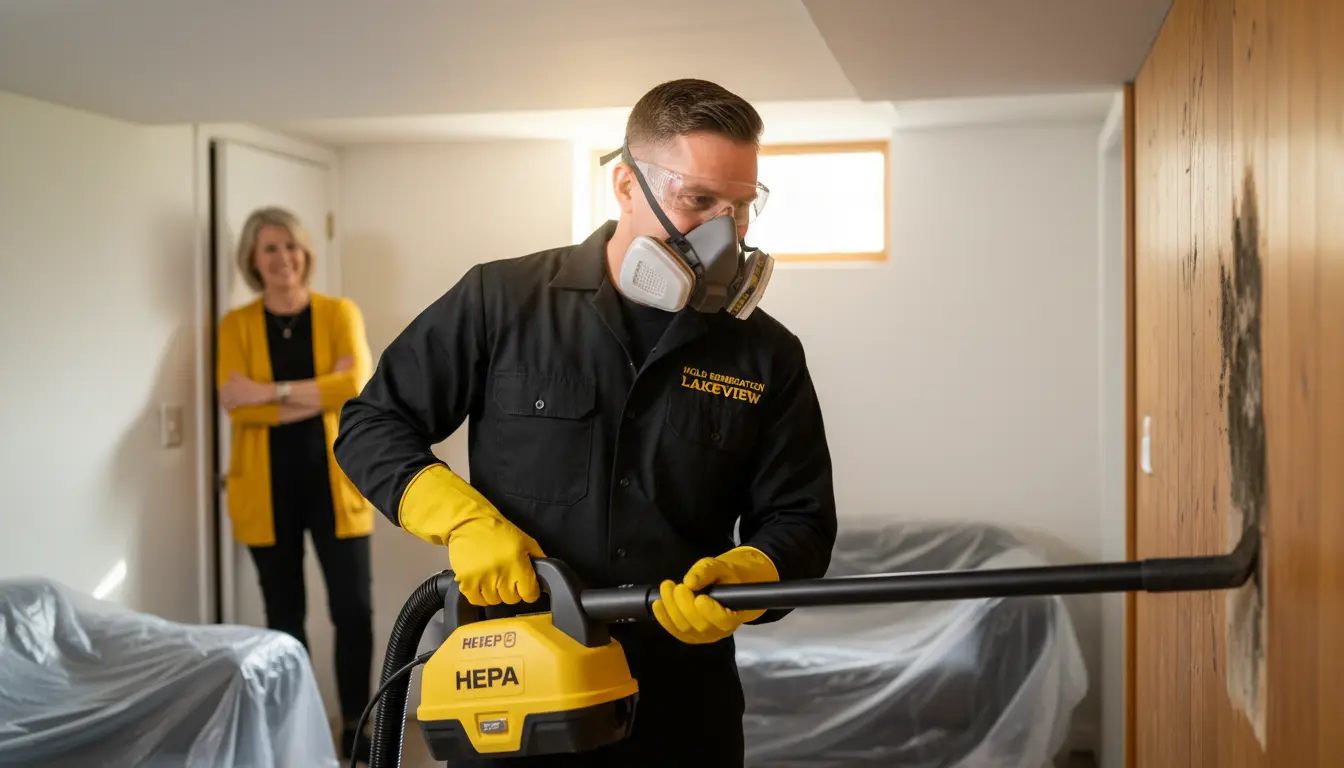
Imagine waking up in your cozy Lakeview home, only to feel a persistent cough or unexplained fatigue creeping in. What if the culprit isn’t stress or the weather, but something far more insidious lurking in your walls? Mold, that silent invader, affects millions across Texas, turning safe havens into health hazards. In this eye-opening post, we’ll dive into the shocking statistics on mold’s health impacts, tailored to our humid Texas climate and the unique vulnerabilities in areas like Lakeview. As experts at Mold Remediation Lakeview, we’re here to arm you with knowledge and solutions to safeguard your home and family.
The Hidden Dangers of Mold in Texas Homes
Texas’s warm, humid environment is a perfect breeding ground for mold. With average humidity levels often exceeding 60% in summer months, especially in North Texas regions like Lakeview, mold thrives in damp basements, attics, and HVAC systems. But what makes mold so dangerous isn’t just its presence—it’s the toxic spores it releases into the air we breathe.
Prevalence of Mold in Humid Climates
According to the Centers for Disease Control and Prevention (CDC), indoor mold growth affects up to 70% of homes in humid states like Texas. A study by the Environmental Protection Agency (EPA) reveals that mold spores are present in nearly every home, but unchecked growth can lead to concentrations 10 times higher than outdoor levels. In Lakeview, where heavy rains and proximity to local lakes exacerbate moisture issues, residents face elevated risks. For instance, neighborhoods like Floral Heights and Washington Park often report higher incidences of water damage from storms, fostering mold hotspots.
These stats aren’t just numbers—they translate to real health threats. Mold produces mycotoxins, allergens, and irritants that infiltrate your living space, especially in poorly ventilated areas. If you’re in Allendale or Hirschi, where older homes are common, the risk amplifies due to aging infrastructure that traps moisture.
Shocking Statistics on Mold-Related Health Issues
The health toll of mold exposure is staggering, backed by alarming data from health organizations. Let’s break down the key impacts that make mold a silent epidemic in Texas.
Respiratory Problems: A Leading Concern
Mold is a major trigger for respiratory ailments, affecting over 21 million Americans annually, per the Asthma and Allergy Foundation of America (AAFA). In Texas, where asthma rates are 10% higher than the national average, mold contributes to 30% of cases, according to a University of Texas study. Shocking stat: Exposure to mold spores can increase asthma attacks by 40% in children living in infested homes.
For Lakeview families, this is particularly relevant. The area’s fluctuating weather—hot days followed by sudden downpours—creates ideal conditions for mold in attics and crawl spaces. Symptoms like wheezing, shortness of breath, and chronic coughs aren’t just seasonal; they’re signals of ongoing exposure. If your home shows signs of dampness, consider attic mold remediation to address these hidden threats before they escalate.
Allergic Reactions and Skin Irritations
Allergies from mold affect 10-20% of the population, with Texas seeing a 25% rise in mold-related allergy visits over the past decade, reports the Texas Department of State Health Services. Eye irritation, nasal congestion, and skin rashes are common, but the stats get shocking: Severe allergic reactions, known as hypersensitivity pneumonitis, hospitalize over 100,000 people yearly nationwide, many linked to indoor mold.
In local contexts, Lakeview’s community pools and green spaces might seem idyllic, but indoor mold from poor drainage can mimic outdoor allergens, worsening symptoms. A mold inspection can pinpoint these issues early, preventing itchy eyes and sneezing fits that disrupt daily life.
Long-Term Effects: Beyond the Immediate
The long-term consequences are even more alarming. The World Health Organization (WHO) links prolonged mold exposure to chronic conditions like bronchitis and even cognitive impairments. A landmark study in the Journal of Occupational and Environmental Medicine found that workers in moldy environments had a 50% higher risk of developing neurological symptoms, including memory loss and mood disorders.
In Texas, where homes often endure hurricane remnants and flooding, these effects compound. For residents in areas like Washington Park, repeated exposures from unaddressed water damage can lead to irreversible lung scarring. Don’t wait—air quality testing is crucial to monitor and mitigate these risks in your Lakeview property.
Why Lakeview is Particularly Vulnerable to Mold
Nestled in the heart of North Texas, Lakeview boasts beautiful lakeside views and a tight-knit community. However, its location near water bodies and clay-heavy soils means higher groundwater levels, leading to frequent basement flooding. Local data from the Wichita Falls Area Metropolitan Planning Organization indicates that Lakeview experiences 20% more water intrusion events than surrounding areas like Hirschi.
Older homes in Floral Heights, with their original foundations, are prone to cracks that allow moisture in, promoting mold growth. Combine this with Texas’s extreme temperature swings, and you’ve got a recipe for disaster. If you’re in Allendale, where historic homes prevail, vigilance is key. Our team at Mold Remediation Lakeview has seen firsthand how these local factors turn minor leaks into major health crises.
Practical Tips to Prevent Mold Growth in Your Home
Knowledge is power, but action is protection. Here are actionable steps to keep mold at bay, especially tailored for Lakeview homeowners:
-
Control Humidity Levels: Aim for 30-50% indoor humidity. Use dehumidifiers in basements and bathrooms. In Lakeview’s muggy summers, this simple step can reduce mold risk by 80%, per EPA guidelines.
-
Fix Leaks Promptly: Inspect roofs, pipes, and windows regularly. A small drip can lead to widespread growth within 48 hours. For persistent issues, professional intervention is essential.
-
Improve Ventilation: Ensure bathrooms and kitchens have exhaust fans. In attics, install vents to prevent condensation. If mold is already present, opt for black mold removal to safely eliminate toxic strains like Stachybotrys.
-
Clean and Dry: After any flooding—common in Washington Park during spring rains—dry areas thoroughly within 24-48 hours. Use fans and heaters, but avoid DIY if black mold is suspected.
-
Regular Testing: Schedule annual mold testing to catch issues early. This is especially vital in Lakeview’s variable climate.
Implementing these tips can drastically lower your exposure. For Lakeview-specific advice, explore our services in neighboring areas like Floral Heights mold remediation.
When to Call Professional Mold Remediation Experts
DIY might work for minor spots, but for pervasive issues, pros are indispensable. Signs like musty odors, visible growth, or unexplained health symptoms warrant immediate action. In Texas, where mold can spread rapidly, delaying can cost thousands in repairs and health bills.
At Mold Remediation Lakeview, we specialize in comprehensive solutions for Lakeview and beyond, including Hirschi and Allendale. Our certified technicians use EPA-approved methods to ensure safe, effective removal.
FAQ: Common Questions About Mold Health Impacts
1. How quickly can mold affect my health?
Mold can cause symptoms within hours for sensitive individuals, but chronic exposure over weeks leads to severe issues. In humid Texas, effects often appear seasonally.
2. Is all mold dangerous?
Not all, but toxic types like black mold pose significant risks. A professional mold inspection identifies harmful strains.
3. Can mold in Lakeview homes be prevented year-round?
Yes, with consistent humidity control and maintenance. Lakeview’s lake proximity requires extra vigilance during rainy seasons.
4. What should I do if I suspect mold in my attic?
Avoid disturbing it yourself—spores can spread. Contact experts for attic mold remediation to handle it safely.
5. How does mold impact children and the elderly in Texas?
Vulnerable groups face heightened risks, with studies showing 2-3 times higher hospitalization rates from respiratory issues.
Conclusion: Take Control of Your Home’s Health Today
The shocking stats on mold’s health impacts in Texas paint a clear picture: Ignoring mold isn’t an option, especially in moisture-prone Lakeview. From respiratory woes to long-term neurological effects, the consequences are too grave to overlook. By understanding these risks and acting swiftly, you can protect your loved ones and restore your home’s safety.
Don’t let mold steal your well-being. Contact Mold Remediation Lakeview today for a free consultation and personalized plan. Whether you’re in Lakeview or nearby Washington Park, our team is ready to help. Schedule your mold inspection now and breathe easier tomorrow!
(Word count: 1247)