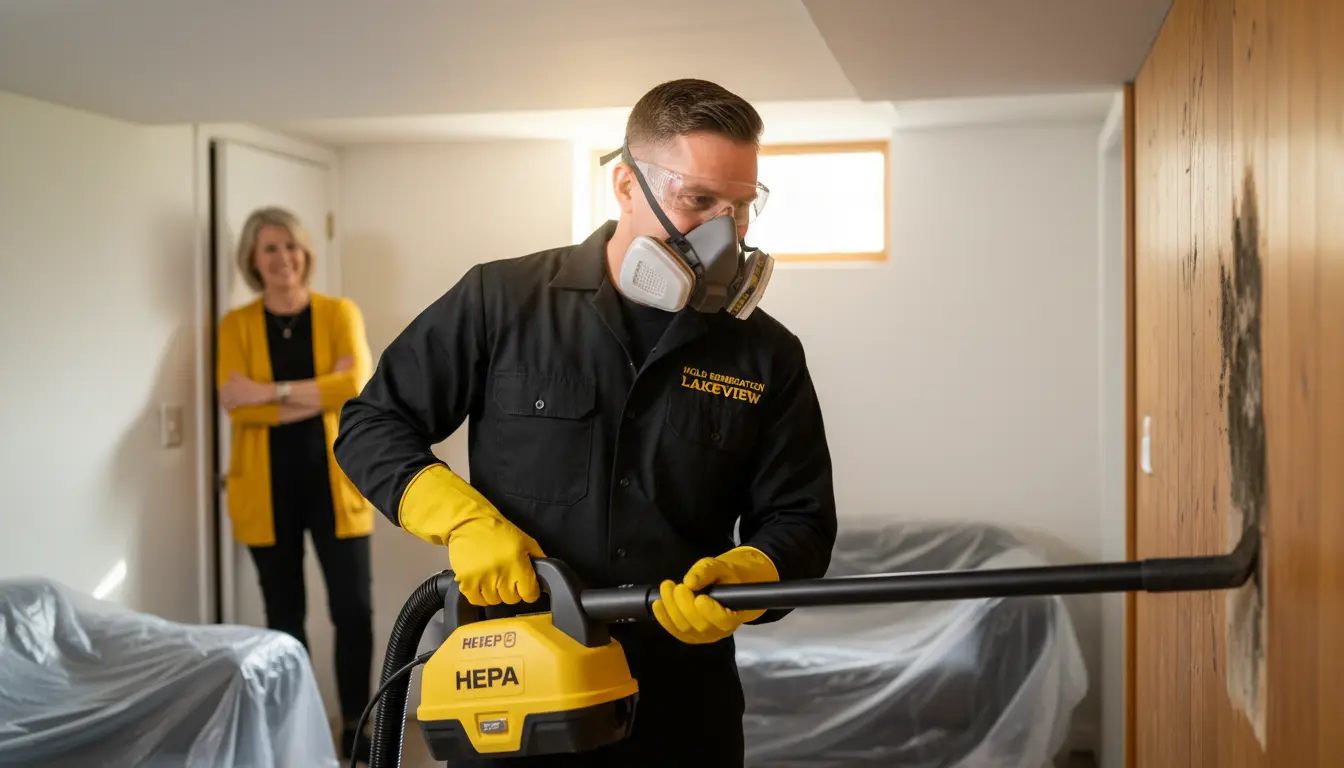
Living in Lakeview means enjoying the charm of our community, from the tree-lined streets of Floral Heights to the vibrant neighborhoods around Washington Park. But with our humid climate and occasional heavy rains, mold can sneak into homes unnoticed. If you’re a homeowner in Lakeview or nearby areas like Allendale, spotting mold early is crucial for your family’s health and your property’s value. At Mold Remediation Lakeview, we’ve seen how DIY inspections can empower beginners to take control before issues escalate.
In this guide, we’ll walk you through a simple, step-by-step process for conducting your own mold inspection. Whether you’re dealing with a musty smell in your basement or visible spots in your crawl space, these tips will help you identify potential problems. Remember, while DIY is a great start, professional services like our mold inspection in Lakeview can provide thorough assessments. Let’s dive in and keep your home mold-free!
Why DIY Mold Inspection Matters in Lakeview Homes
Mold thrives in damp, poorly ventilated spaces, and Lakeview’s weather patterns—think spring showers and summer humidity—create the perfect breeding ground. According to health experts, exposure to mold can lead to allergies, respiratory issues, and worse for vulnerable family members. A DIY inspection allows you to catch issues early without waiting for symptoms to appear.
The Risks of Ignoring Mold in Your Area
In neighborhoods like Hirschi or Brookhollow, older homes with basements are particularly susceptible. Water leaks from aging pipes or flooding from nearby creeks can lead to hidden mold growth. By inspecting yourself, you prevent small problems from turning into costly basement mold cleanup projects. Plus, early detection can save you money and maintain your home’s air quality.
Tools and Materials You’ll Need for Your Inspection
Before starting, gather these essentials. Most are affordable and available at local Lakeview hardware stores.
Essential Tools
- Flashlight and Headlamp: For peering into dark areas like attics and crawl spaces.
- Protective Gear: N95 mask, gloves, and goggles to shield yourself from spores.
- Moisture Meter: A basic digital one costs under $20 and detects damp spots behind walls.
- Camera or Smartphone: Document findings for later reference or to share with pros.
- Screwdriver or Flashlight Probe: To gently check behind outlets or vents without damage.
Optional but Helpful Items
Invest in mold test kits from reputable brands, but note they’re not as accurate as lab tests. For precise air quality testing, consider our services in Washington Park and surrounding areas.
Pro Tip: Always inspect after heavy rain, a common occurrence in Lakeview during monsoon season. This ensures you catch moisture issues promptly.
Step-by-Step Guide to DIY Mold Inspection
Follow these steps methodically. Take your time—rushing can lead to missed spots. Aim to inspect your entire home over a weekend.
Step 1: Visual Inspection of Common Problem Areas
Start with the obvious. Walk through your home room by room, looking for signs of mold: black, green, or white fuzzy growths, discoloration on walls, or bubbling paint.
- Bathrooms and Kitchens: Check around sinks, showers, and under cabinets for leaks. In Lakeview’s older homes in Floral Heights, grout lines often hide mold.
- Basements and Crawl Spaces: These are hotspots. Use your flashlight to scan for water stains or earthy odors. If you suspect severe issues, our crawl space remediation team in Allendale can assist.
- Attics and Ceilings: Look for roof leaks, especially after storms common in our area.
Actionable Advice: Take notes and photos. If you see more than 10 square feet of mold, stop and call professionals—DIY cleanup has limits.
Step 2: Check for Moisture Sources
Mold needs moisture to grow, so hunt for hidden dampness.
- Use Your Moisture Meter: Probe walls, floors, and ceilings. Readings above 15-20% indicate potential problems.
- Inspect Plumbing and HVAC: Look for condensation on ducts or leaky pipes. In humid Lakeview summers, poor ventilation exacerbates this.
- Windows and Doors: Seal gaps to prevent outdoor humidity from entering, a frequent issue in Brookhollow residences.
Practical Tip: Place a dehumidifier in high-risk areas like basements. Maintain it at 30-50% humidity to deter mold.
Step 3: Sniff Test and Airflow Assessment
Your nose knows! A musty smell often signals mold.
- Walkthrough Sniff: Go room to room, noting odors. Persistent smells in hidden areas like behind furniture warrant closer inspection.
- Ventilation Check: Ensure fans and vents work properly. Stagnant air in attics can lead to black mold removal needs.
In Hirschi homes with central AC, clean filters monthly to improve airflow and reduce mold risk.
Step 4: Testing and Documentation
If visuals suggest mold, use a home test kit: swab suspicious areas and send to a lab.
- DIY Limitations: Kits detect types but not extent. For comprehensive results, opt for professional air quality testing in Lakeview.
- Record Everything: Log dates, locations, and findings. This helps track patterns, especially post-rainy seasons.
Actionable Advice: If tests confirm mold, address the source first—fix leaks before cleaning.
Common Mistakes to Avoid During DIY Inspections
Beginners often overlook these pitfalls:
Ignoring Hidden Growth
Mold behind drywall or in insulation is sneaky. In Lakeview’s variable climate, use thermal cameras if possible, or hire experts for thorough scans.
Improper Safety Measures
Never inspect without PPE. Spores can irritate eyes and lungs, particularly in sensitive individuals.
Overlooking Prevention
Inspection isn’t one-and-done. Schedule quarterly checks, especially in flood-prone Washington Park.
Pro Tip: Combine DIY with annual professional mold inspection for peace of mind.
FAQ: DIY Mold Inspection Questions for Lakeview Residents
1. How often should I perform a DIY mold inspection in Lakeview?
At minimum, twice a year—spring and fall. Increase frequency after water events, common in our rainy locale.
2. Can I clean small mold spots myself?
Yes, for areas under 10 square feet, use a mix of water and detergent. But for toxic types like black mold, seek black mold removal pros immediately.
3. What if I find mold in my crawl space?
Ventilate and dry it out first. For persistent issues, contact our crawl space remediation services serving Brookhollow and beyond.
4. Is DIY testing reliable for health risks?
It’s a starting point but not definitive. Pair it with air quality testing for accurate health assessments.
5. How does Lakeview’s climate affect mold growth?
High humidity and rainfall accelerate it. Focus on moisture control in basements and attics to stay ahead.
Conclusion: Take Action for a Mold-Free Home in Lakeview
Conducting a DIY mold inspection is an empowering first step toward safeguarding your Lakeview home. From the cozy corners of Allendale to the bustling streets of Hirschi, proactive homeowners like you make a difference. Armed with these steps, tools, and tips, you’re equipped to spot and address mold early.
However, if you uncover extensive growth or need expert confirmation, don’t hesitate to reach out to Mold Remediation Lakeview. Our local team specializes in comprehensive solutions tailored to our community’s unique challenges. Schedule your professional mold inspection today and breathe easier knowing your home is protected. Contact us at (555) 123-4567 or visit our site for a free consultation—your health and home deserve the best!